The Thrill of Risk and Reward
The allure of gambling in a casino is deeply rooted in the thrilling nature of risk and reward. When players engage in gambling, they indulge in an activity that promises the chance to gain something of greater value than their initial investment, especially when exploring new betting sites australia that offer innovative games and experiences. This element of uncertainty taps into the human psyche, igniting a surge of adrenaline and excitement. The intricate balance between risk and reward creates an intoxicating atmosphere, as individuals find themselves caught in a cycle of hope and despair with each roll of the dice or spin of the wheel.
This psychological phenomenon can be explained through behavioral economics, which highlights how individuals often misjudge probabilities. For instance, players may believe that after losing several times in a row, they are „due” for a win, encouraging them to continue betting. This fallacy leads to distorted perceptions of luck and skill, resulting in prolonged engagement in the activity. Consequently, the psychological stakes become as significant as the financial stakes, as players become emotionally invested in the outcome of each game.
Moreover, the environment of a casino amplifies these feelings. The sights and sounds—colorful lights, the ringing of slot machines, and the cheers from nearby tables—create an immersive experience that is hard to resist. Casinos are designed to stimulate the senses and prolong the stay of patrons, further reinforcing the excitement associated with gambling. This environment, coupled with the thrill of risk, plays a crucial role in encouraging repeated gambling behavior, making it a compelling area of psychological study.
The Role of Cognitive Biases
Cognitive biases significantly influence how gamblers perceive their chances of winning. One prominent bias is the „gambler’s fallacy,” wherein players believe that past events affect future probabilities. For instance, if a specific slot machine hasn’t paid out in some time, a gambler may assume it is „due” for a big win, despite each spin being independent of the last. This misconception can lead to excessive gambling as players chase their perceived losses, driven by the flawed belief that luck will change in their favor.
Similarly, the „illusion of control” is another cognitive bias prevalent in gambling psychology. Many players believe they can influence the outcome of games that are purely based on chance, such as roulette or slot machines. This belief may be bolstered by previous wins or personal strategies that the player employs. The conviction that they have some control over random events can result in increased betting, reinforcing the cycle of gambling behavior.
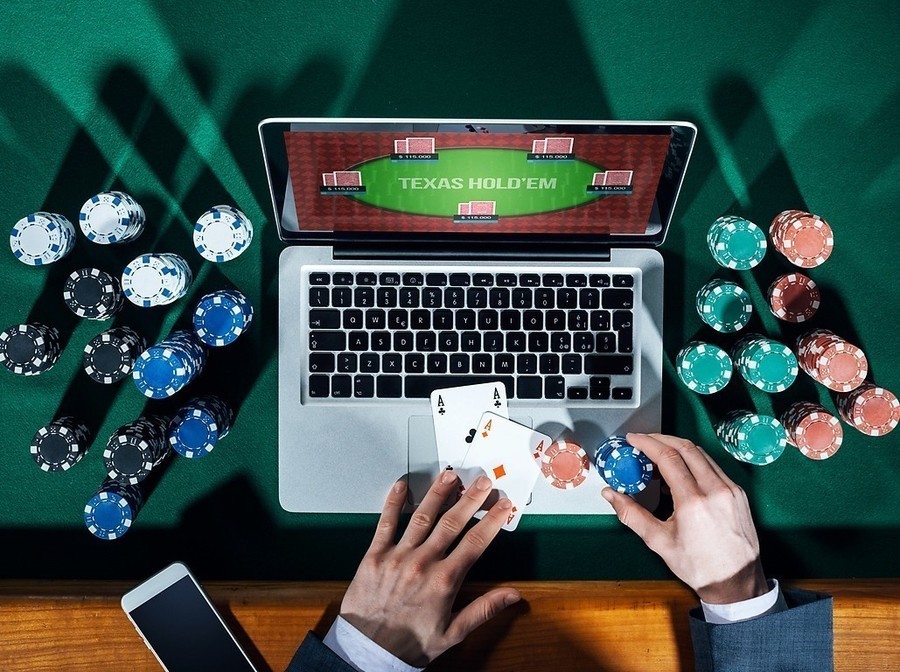
Lastly, confirmation bias plays a pivotal role in reinforcing gambling habits. Players tend to focus on their wins while downplaying or ignoring losses. For instance, a gambler may vividly recall the times they won big but conveniently forget the numerous occasions they lost money. This selective memory contributes to the persistence of gambling behavior, as individuals construct a narrative that supports their continued participation rather than acknowledging the overarching financial losses. Understanding these cognitive biases is crucial for evaluating responsible gambling practices and seeking effective interventions.
The Emotional Rollercoaster of Gambling
The emotional experience of gambling resembles a rollercoaster ride, with players encountering a range of feelings from excitement to anxiety. Winning evokes intense joy and euphoria, often referred to as a „high,” while losses can lead to frustration or despair. The interplay of these emotions creates a compelling dynamic that draws individuals back into the casino environment, as they seek to replicate the emotions associated with their wins while escaping the negativity tied to their losses.
Furthermore, many gamblers experience a phenomenon known as the „near-miss effect,” where they come close to winning but ultimately do not. This can be particularly salient in games like slot machines, where players may almost hit a jackpot. These near-misses trigger a release of dopamine in the brain, producing a sense of accomplishment despite not winning. This reward system encourages players to continue gambling, as they become conditioned to chase the fleeting feelings of euphoria associated with near success.
Additionally, the interplay of social dynamics within a casino enhances the emotional landscape of gambling. Players often share their experiences with others, and this interaction can amplify feelings of camaraderie or competition. The communal nature of certain games, such as poker, cultivates friendships and rivalries, adding additional layers of emotional investment. This social aspect contributes to the psyche of gamblers, providing a sense of belonging that may further entrench their gambling habits.
Factors Influencing Gambling Behavior
Numerous factors can influence an individual’s propensity to gamble, including personality traits, environmental influences, and socio-economic background. Research indicates that individuals with high levels of impulsivity and sensation-seeking are more likely to engage in gambling activities. These personality traits can lead to a stronger attraction to the risk and excitement associated with betting, as well as a diminished capacity to self-regulate behavior.
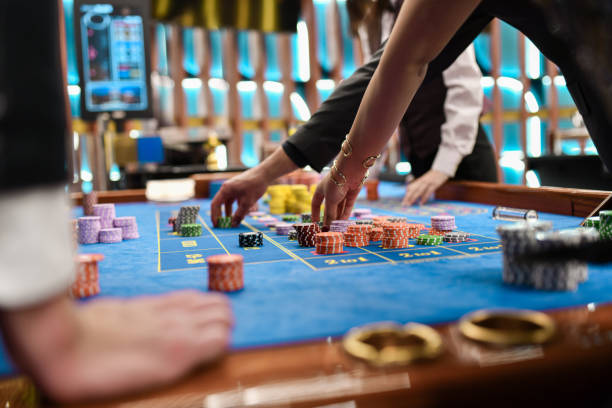
Environmental factors also play a critical role in shaping gambling behavior. For example, access to casinos, prevailing social norms, and even marketing strategies significantly impact how often individuals gamble. A vibrant casino culture that celebrates winning can encourage more frequent visits and foster an environment where gambling is normalized. Conversely, individuals from communities that stigmatize gambling may be less likely to engage in such activities, despite personal interest or curiosity.
Moreover, socio-economic factors must not be overlooked. Financial strain may drive individuals toward gambling with the hope of a windfall to alleviate their circumstances. Unfortunately, this often backfires, leading to greater economic distress. Additionally, those with lower socio-economic status may feel more vulnerable to the negative consequences of gambling, compounding issues related to addiction and personal well-being. These intertwined factors encapsulate the complexity of gambling behavior, highlighting the need for comprehensive approaches to address potential gambling issues.
Understanding Responsible Gambling
Understanding gambling psychology is essential for promoting responsible gaming practices. Awareness of cognitive biases, emotional responses, and environmental influences can empower individuals to make informed choices about their gambling behaviors. Educational programs that highlight the risks associated with gambling, alongside strategies for self-control, can help mitigate problem gambling. Responsible gambling initiatives aim to foster a safe gaming environment while minimizing adverse consequences.
Furthermore, casinos can contribute to responsible gambling by implementing measures such as setting limits on playtime and expenditures, offering self-exclusion options, and providing access to mental health resources. By fostering a culture of responsibility, casinos can help create a more sustainable gambling environment where players can enjoy the thrill without falling prey to negative consequences. Engaging in open discussions about the risks can also help normalize responsible practices among gamblers.
Finally, collaboration between governments, casinos, and non-profit organizations is crucial in developing effective policies and interventions. Research-driven initiatives aimed at understanding the psychological aspects of gambling can guide the creation of resources for both players and support systems. By combining efforts, stakeholders can work towards addressing gambling-related issues and promoting a healthier approach to gaming. This holistic approach is vital for ensuring that the excitement of gambling does not overshadow the importance of responsible participation.